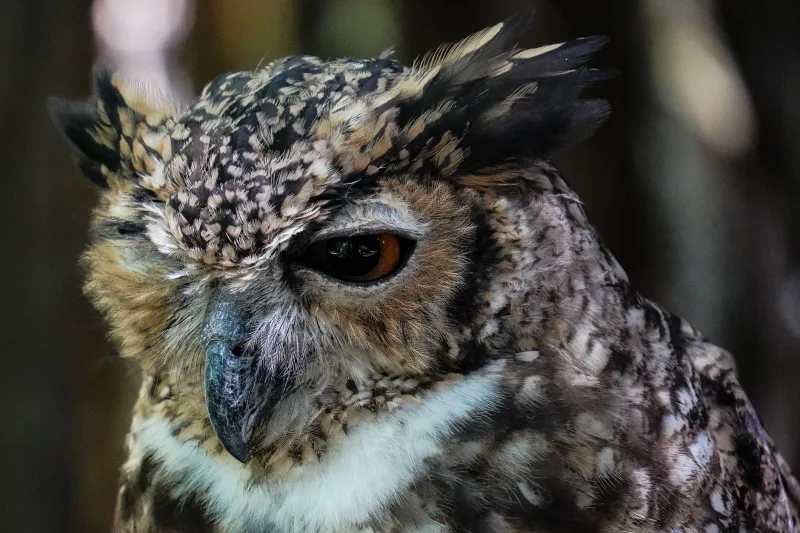
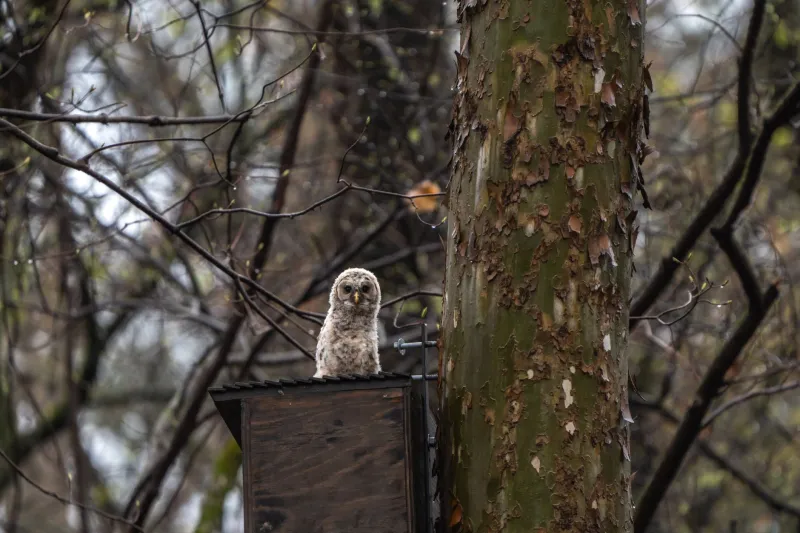
Til Death (or Deforestation) Do Us Part: The Surprisingly Heartbreaking Love Lives of Fish Owls
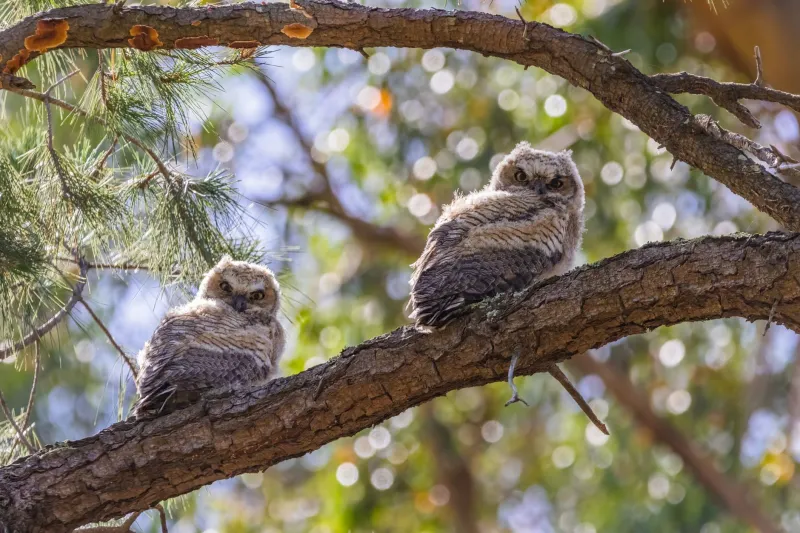
Somewhere in the old-growth riparian corridor along a Pacific Northwest river — let's call it Pair 7, because that's how the researchers tracking them roll — two fish owls have been sharing the same two-mile stretch of water for going on six years.
They roost within earshot of each other. They defend their territory together with a coordinated vocal performance that would make a barbershop quartet jealous. During breeding season, the male fishes almost exclusively to provision the female while she incubates. When the chicks fledge, both parents continue supplementing their diet for months longer than strictly necessary, because apparently fish owls believe in a generous parental leave policy.
Pair 7 is, by any measure, a success story. A model relationship. The kind of stable, long-term partnership that wildlife biologists genuinely get emotional about over field station coffee.
About twelve miles upstream, Pair 7's functional opposite is playing out in real time — and it's considerably harder to watch.
What "Mating for Life" Actually Means (It's Complicated)
The phrase "mates for life" gets thrown around in wildlife writing with the sort of breathless romanticism usually reserved for golden anniversary announcements. The reality, as with most things in ecology, is messier and more interesting.
Fish owls do form strong, long-term pair bonds. In stable environments with adequate habitat and prey, bonded pairs will maintain their partnership across many consecutive breeding seasons. They share territorial defense duties, coordinate their foraging to reduce competition on shared hunting grounds, and demonstrate what researchers describe as "behavioral synchrony" — a gradual alignment of daily rhythms and activity patterns that suggests genuine familiarity and preference for each other's company.
But "for life" carries an asterisk. Pair bonds can dissolve. They dissolve when one partner dies, obviously. They also dissolve — and this is the part that gets ecologically interesting — when environmental stress makes the partnership functionally untenable.
Reduced prey availability. Nest site loss. Territory fragmentation that separates a pair's core hunting areas. Repeated breeding failure. These aren't just inconveniences. They're stressors that can trigger what biologists somewhat clinically call "divorce" — the abandonment of an established pair bond in favor of finding a new mate in a new location.
And when divorces start spiking in a local fish owl population, it's almost never about the owls.
The Twelve Miles Upstream Problem
Back to that troubled pair upstream.
This pair — call them the Upstreamers, because we're doing this now — established their territory four years ago in what was, at the time, a functional though not exceptional stretch of river habitat. Mature trees along the bank. Adequate fish populations. A reasonable distance from the nearest human development.
Then the logging operation started.
Over eighteen months, the riparian buffer on the south side of their territory was progressively cleared. The large-diameter snags the female had used as primary roosting sites came down. The canopy cover that moderated water temperature — and thus maintained the fish community the pair depended on — thinned dramatically. Sedimentation from the logging roads began degrading spawning habitat downstream of their core hunting zone.
The male began ranging farther. Hunting success dropped. The pair attempted nesting twice in the last two seasons; both attempts failed before the eggs hatched. The female has been observed alone on multiple occasions during hours when the pair would historically have been roosting together.
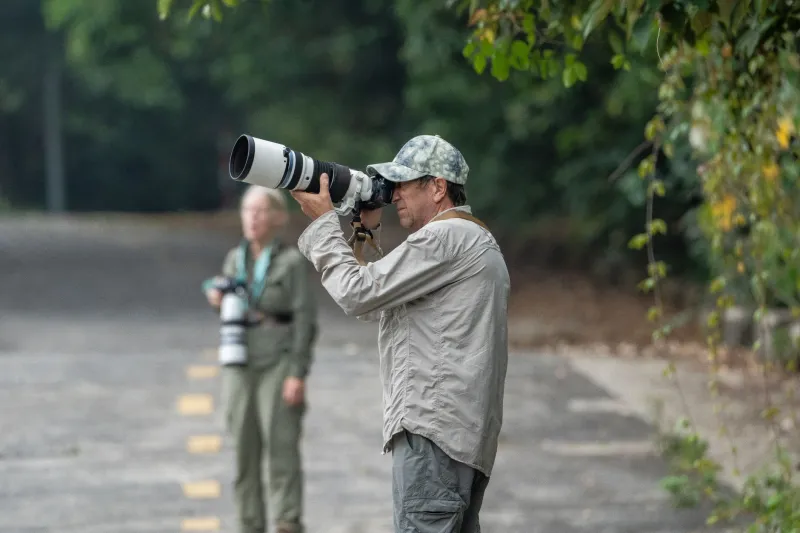
Researchers monitoring the site aren't optimistic about Pair 7's upstream neighbors.
"What we're watching is a relationship being dismantled by habitat loss," one field biologist noted in her monitoring report, in language that is about as poetic as scientific documentation gets. "The birds haven't failed each other. The landscape has failed the birds."
What Pair Disruption Actually Tells Conservationists
Here's why owl relationship drama deserves more than a knowing shake of the head before you move on to the next news story.
Fish owl pair bonds are extraordinarily energy-intensive to establish and maintain. The elaborate duetting behavior that pairs use to reinforce their bond, the coordinated territorial defense, the extended period of cooperative chick-rearing — all of it represents a massive investment of time and calories. Pairs don't abandon that investment casually.
When they do abandon it, or when they fail to form stable bonds in the first place, it's a signal that the environmental cost-benefit calculation has shifted. The habitat is no longer providing enough resources to make long-term pair maintenance worthwhile. The birds are, in a very real sense, voting with their feet — or their talons — on the quality of the ecosystem they're being asked to live in.
Population-level pair bond data is consequently one of the more sensitive early-warning metrics available to conservation biologists. A creek corridor where pair stability is declining — where bonds are forming later, dissolving earlier, and producing fewer successful nesting attempts — is a corridor in ecological trouble, often before that trouble is visible in any other measured parameter.
The owls see it first. The question is whether we're paying attention.
The Connectivity Question Nobody Wants to Fund
One factor that consistently emerges in fish owl pair bond research is the role of habitat connectivity — the degree to which individual territories are linked to each other and to broader expanses of functional habitat.
Isolated populations, surrounded by development or degraded land, show consistently higher rates of pair bond disruption. This makes intuitive sense: when a bird loses a mate and needs to find a new one, the pool of available candidates is limited by how far it can travel through usable habitat. Fragment that habitat severely enough and replacement pairing becomes difficult or impossible.
Conservation corridors — strips of protected or restored habitat linking larger wild areas — are one of the most cost-effective tools available for maintaining the population connectivity that stable pair bonding requires. They are also, persistently, one of the most underfunded conservation priorities in the United States.
Advocating for corridor protection in your region — through land trust donations, conservation easement support, or simply contacting your state wildlife agency to ask what connectivity projects are currently seeking public comment — is direct action on behalf of every fish owl pair trying to hold it together in a fragmented landscape.
For Pair 7, at Least, the Story Continues
The researchers monitoring that stable pair on the Pacific Northwest river aren't taking anything for granted. The old-growth buffer protecting their territory is partially on private land. The logging pressure that devastated their upstream neighbors hasn't gone away.
But for now, on a cold morning in late February, the male is fishing the same riffle he's worked for six consecutive years. The female is on her preferred snag, watching the water with the patient intensity of someone who has absolutely figured out what they want from life.
They called to each other at 3 a.m. The researchers logged it. The creek kept running.
Some love stories are worth fighting for. This one just happens to also be a conservation priority.