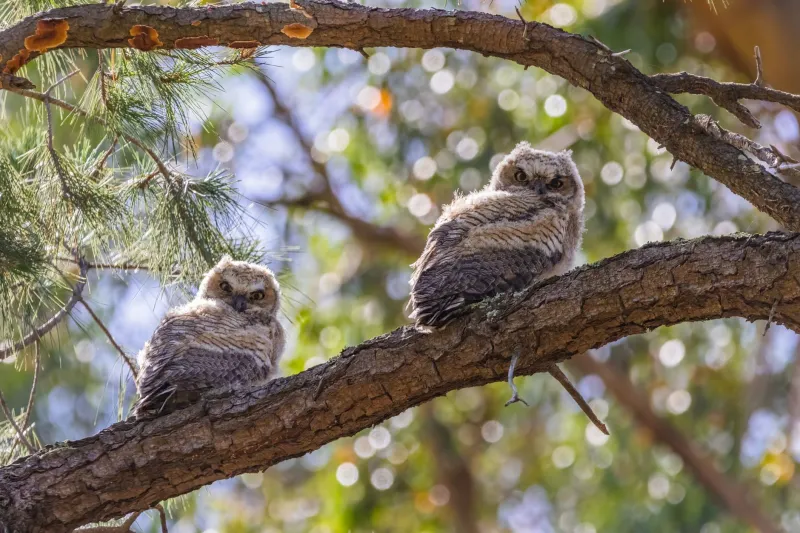
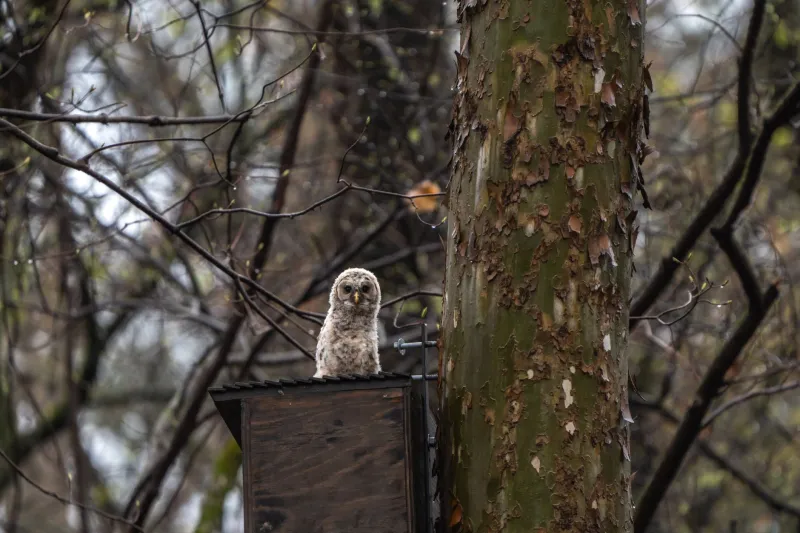
All You Can Eat, Feathers Included: What Fish Owls' Bottomless Appetites Are Telling Us About Our Waterways
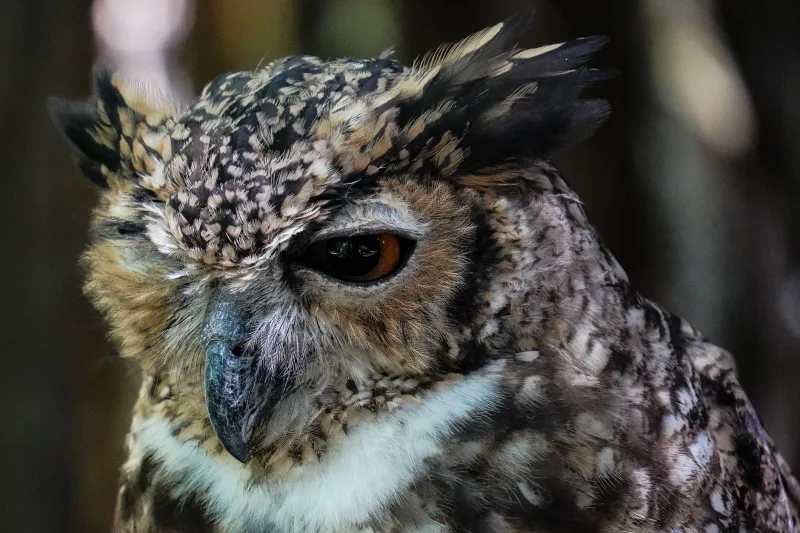
Picture this: it's 2 a.m., the creek behind your house is doing its quiet, glittery thing, and somewhere in the dark, a large feathered predator is absolutely demolishing its fourth fish of the night. No plate. No napkin. Zero remorse.
Welcome to the dining habits of the fish owl — nature's most unapologetic after-hours eater.
If you've ever watched one of these birds work a stretch of water, you already know they don't exactly practice mindful eating. They hunt hard, they eat big, and they do not appear to have heard of intermittent fasting. But here's the thing that makes fish owl feeding behavior so much more than just a great wildlife spectacle: the way these birds eat — how much, how often, what species, and from where — functions as a living, breathing report card on the health of the waterways they depend on.
And right now, some of those report cards are coming back with some pretty alarming grades.
The Buffet Breakdown: How Much Do These Birds Actually Eat?
Let's start with the numbers, because they are genuinely spectacular.
A large fish owl can consume prey equivalent to roughly 20 to 30 percent of its body weight in a single night's hunting. For context, that would be like an average adult American sitting down and eating about 35 to 50 pounds of food before sunrise. Every. Single. Night.
This isn't gluttony for its own sake. Fish owls operate in cold, energetically demanding environments, and their metabolisms require serious fuel. More importantly, fish — their primary prey — are not exactly calorie-dense compared to, say, a mammal of equivalent size. So owls have to eat more of them, more frequently, to keep the whole magnificent operation running.
During breeding season, caloric demand spikes even further. A nesting pair isn't just feeding themselves — they're fueling eggs, then chicks, then increasingly demanding juveniles who haven't yet learned the social grace of catching their own dinner. The fishing pressure on a local waterway during an active nest cycle can be substantial.
When the Buffet Gets Thin: Reading the Red Flags
Here's where the science gets genuinely fascinating — and a little sobering.
Fish owls are what ecologists call "indicator species." Their population health, behavior, and breeding success are tightly coupled to the condition of their aquatic ecosystems. When the fish are healthy and abundant, owls eat well, breed successfully, and maintain stable territories. When fish populations decline — due to pollution, habitat degradation, drought, or invasive species — the owls feel it almost immediately.
Researchers tracking fish owl behavior have documented measurable behavioral shifts that correlate directly with water quality changes. Owls begin hunting longer hours. They expand their foraging range, sometimes dramatically. They switch prey species, targeting less preferred fish when preferred ones become scarce. Breeding pairs may skip nesting entirely during years when local fish populations crash below a critical threshold.
In other words, the owl's dinner plate is a data set.
"When we see owls abandoning traditional hunting perches and ranging farther afield, that's not random," one wildlife biologist working in the Pacific Northwest explained at a recent conservation symposium. "That's the ecosystem telling us something, and the owl is the messenger."
Citizen Scientists: Your Late-Night Logging Matters More Than You Think
This is where regular people — meaning you, possibly in your pajamas — enter the story in a genuinely meaningful way.
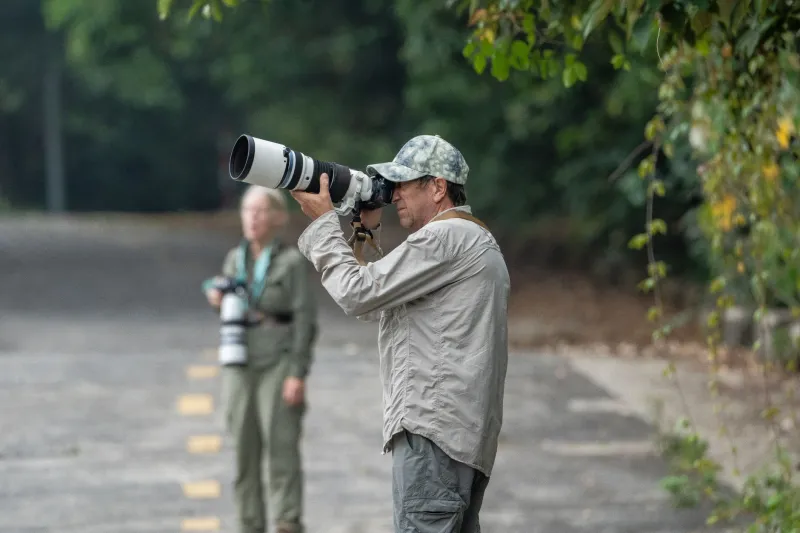
Because fish owls are large, relatively conspicuous, and anchored to specific waterways, they're actually excellent subjects for community-based monitoring. You don't need a research grant or a PhD to contribute useful data. You need patience, a decent pair of binoculars, a flashlight you keep pointed away from the owl, and a reliable way to log what you see.
Citizen science platforms like eBird and iNaturalist have become invaluable repositories for fish owl feeding observations. When community members consistently log sightings — noting time, location, apparent hunting success, prey species when identifiable, and duration of activity — researchers can aggregate that data into something genuinely powerful.
Patterns emerge from enough data points. A sudden cluster of reports showing owls hunting in unusual locations, or an uptick in sightings during hours when fish owls don't typically hunt, can flag a localized ecological disruption before formal monitoring programs even catch wind of it.
Practical Steps: Becoming Part of the Solution
So what can you actually do, beyond watching and logging?
First, protect riparian buffers on any property you own or manage near waterways. The vegetated strips along stream banks aren't just pretty — they filter runoff, stabilize banks, and maintain the water temperature and clarity that fish populations require. No fish, no owls. It really is that direct.
Second, report unusual feeding behavior to your local wildlife agency or a regional raptor conservation group. If you're regularly observing a fish owl in your area and something about its behavior suddenly changes — more frantic hunting, unusual timing, apparent weight loss visible even at a distance — that's worth flagging.
Third, advocate for water quality monitoring in your community. Municipal water boards, county commissioners, and state environmental agencies all respond to constituent interest. Showing up to a public meeting and mentioning that the local fish owls are behaving strangely is, believe it or not, a legitimate way to trigger an ecological review.
Finally, resist the urge to "help" by supplementing owl feeding. This deserves its own article (and has gotten one on this very site), but the short version is: artificially propping up an owl's caloric intake masks the very signal its feeding behavior is supposed to send. The data only works if it's real.
The Bottom Line
Fish owls eat a lot. They eat often. They eat enthusiastically and without apparent shame, and honestly, we respect them for it.
But beneath all that magnificent, fish-splattering excess is a biological instrument of remarkable sensitivity — one that's been quietly monitoring our waterways long before humans thought to install sensors or collect samples.
The next time you catch a fish owl working a stretch of creek at midnight, don't just marvel at the spectacle. Watch closely. Note what you see. Log what you can.
Because that bird isn't just eating dinner. It's filing a report. And right now, we need every copy we can get.