Barn Owls Are the New Pest Control: How America's Farmers Are Letting Predators Do the Dirty Work

Photo by Photo by Priscilla Du Preez 🇨🇦 on Unsplash on Unsplash
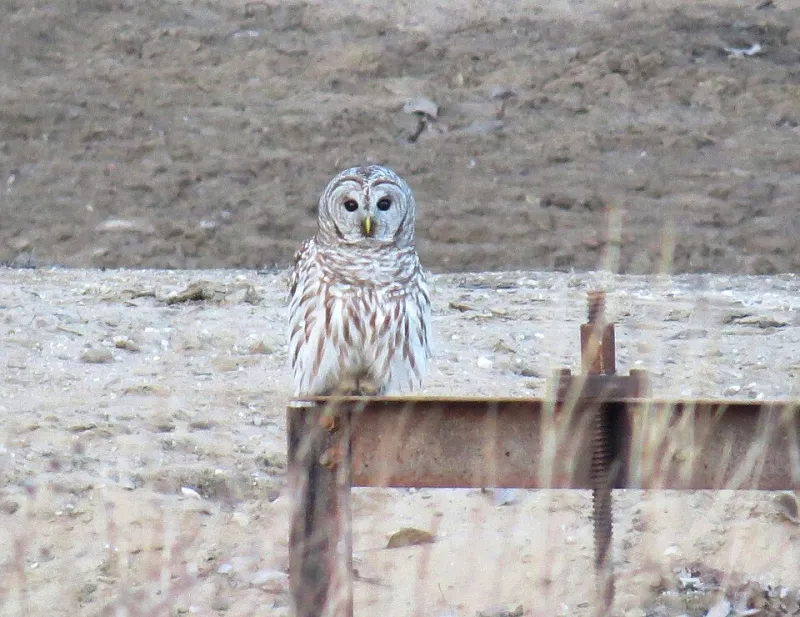
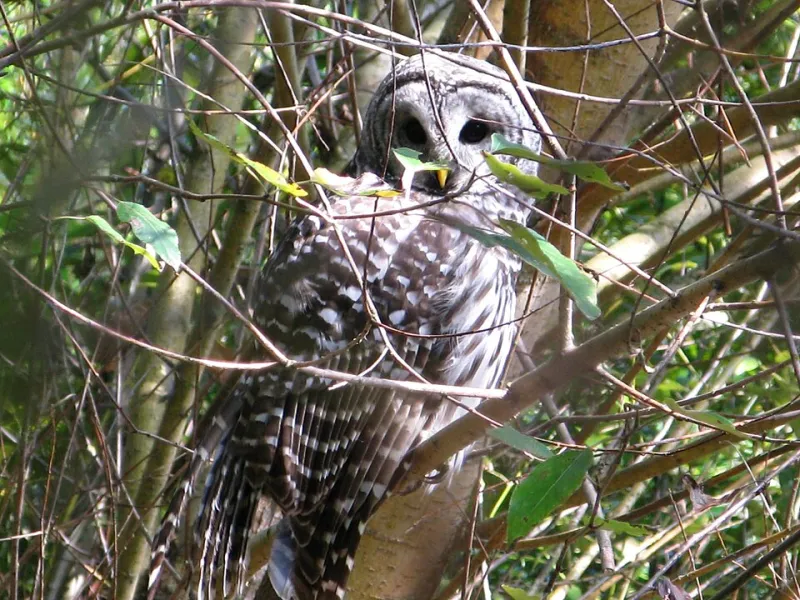
Somewhere in California's San Joaquin Valley, a barn owl named — well, she doesn't have a name, because she is a wild animal and not your coworker — is clocking in for another ten-hour shift. She'll hunt from dusk until the first stubborn suggestion of sunrise, covering somewhere between one and two miles of vineyard per night, snatching up voles with the casual efficiency of someone who has been doing this for approximately 30 million years of evolutionary refinement. She does not need a performance review. She does not require health insurance. She just needs a wooden box nailed to a post, and she will handle the rest.
This, increasingly, is the deal American farmers are making with nature. And by most accounts, it's working out pretty well for both sides.
The Rodent Problem Nobody Talks About at Dinner
Here's a fun fact that will absolutely ruin your appetite: a single pair of field mice can produce up to 10 litters per year, with anywhere from five to eight pups per litter. Do that math, then think about your nearest almond orchard. Rodents — voles, gophers, deer mice, and rats — cost American agriculture an estimated $900 million annually in crop damage, gnawed irrigation lines, and burrowed-out root systems. Conventional pest control, meaning rodenticides, has long been the go-to solution. But those poisons have a habit of traveling up the food chain in ways that tend to kill things farmers actually like, including the raptors that would otherwise eat the rodents for free.
It's what ecologists call a secondary poisoning problem, and it's been quietly devastating owl and hawk populations near agricultural areas for decades. The irony is exquisite and deeply unfortunate: farmers kill the predators, the rodents multiply, and suddenly you need more poison. Somewhere, a barn owl is shaking its heart-shaped face in disbelief.
Enter the Owl Box Revolution
The alternative — inviting predators back in rather than poisoning them out — has been quietly gaining momentum for years, but it's hitting a new gear right now. Organizations like the Hungry Owl Project in California and Barn Owl Box programs in Texas and the Pacific Northwest have been working with farmers to install nesting boxes and create habitat corridors that make working farmland genuinely hospitable to owls.
The results are striking. Studies conducted in California wine country found that vineyards with active barn owl populations saw vole damage drop by as much as 50 percent compared to control plots. A single barn owl family — two adults plus their chicks — will consume roughly 1,000 rodents over a typical nesting season. That's not a pest control service. That's a pest control obliteration.
Ranchers in Texas Hill Country have started welcoming great horned owls and even eastern screech-owls to their operations, erecting nesting structures near grain storage facilities where rats have historically been a serious problem. "I put up four boxes two springs ago," said one central Texas goat farmer who asked not to be identified because, as he put it, "I don't want to become the owl guy at the feed store." (He is, by all accounts, absolutely the owl guy at the feed store.) "First year, I had two pairs nesting. Rat problem went from a genuine headache to basically nothing."
It's Not Just Owls Punching the Clock
Owls get most of the glory in this story — and honestly, fair enough, they are magnificent — but they're far from the only nocturnal employees showing up on American farms.
American kestrels, the smallest falcon in North America, have become darlings of the sustainable agriculture movement for their voracious appetite for grasshoppers, mice, and small lizards. Kestrel nest box programs have expanded across the Midwest and Pacific Coast, with farmers reporting measurable reductions in insect pest pressure alongside the rodent benefits.
Foxes, long regarded with suspicion by chicken-keeping farmers, are increasingly being recognized as powerful allies in open-field crop production. A family of red foxes patrolling a cornfield is a formidable force against gopher populations. The trick, most farmers have found, is proper livestock housing rather than predator elimination — a solution that turns out to be better for everyone involved, including the chickens.
Even snakes — yes, snakes — are getting a second look. Rat snakes and gopher snakes, both non-venomous and deeply misunderstood, are exceptional rodent hunters. Some forward-thinking farmers have started leaving brush piles and rock features specifically to encourage snake habitat near storage buildings. This is an extremely brave lifestyle choice that we at Fish Owls fully respect.
How to Roll Out the Welcome Mat for Owls
If you're a farmer, landowner, or just someone with a larger-than-average backyard and a vole situation, the barrier to entry here is refreshingly low.
Nest boxes are the starting point. Barn owls will readily adopt wooden nest boxes mounted on poles or buildings, positioned eight to twelve feet off the ground, facing open hunting territory. Plans are freely available through organizations like the Cornell Lab of Ornithology and state wildlife agencies. Dimensions matter — barn owls are specific — but the builds are straightforward enough for an afternoon project.
Reduce or eliminate rodenticide use in the target area. This one is non-negotiable. You cannot invite predators to dinner and then poison the food. Secondary poisoning from anticoagulant rodenticides is one of the primary causes of raptor decline near agricultural land. If you want owls, you have to give them something safe to eat.
Leave some rough edges. Hedgerows, unmowed field margins, brush piles, and old fence lines all create habitat for the small mammals owls hunt — and perching and hunting structure for the owls themselves. A perfectly manicured monoculture is beautiful to exactly no wildlife.
Be patient. Barn owls typically won't adopt a new box until they're good and ready, which can take a full season or two. This is not a reflection of your craftsmanship. Owls simply have standards.
The Bigger Picture
What's happening on these farms is a small but genuinely meaningful piece of a larger ecological story. When predators are allowed to function in agricultural landscapes, those landscapes become more stable, more resilient, and less dependent on chemical inputs that carry their own costs — financial, ecological, and regulatory.
It's also, let's be honest, just deeply satisfying. There is something profoundly right about a barn owl sweeping silently over a field of winter wheat at 2 a.m., doing exactly what barn owls have been doing since long before humans had wheat fields to protect. We didn't invent this system. We just finally got out of the way long enough to let it work.
The night shift has always been covered. We just forgot to check the schedule.