The Tiny Crime Scenes in Your Backyard: What Owl Pellets Reveal About the Wild World Beneath Your Feet
Let's be honest: when most people hear the words "owl pellet," their first instinct is to back away slowly. These compact, felt-like parcels of regurgitated bones, fur, feathers, and the occasional beetle wing are not exactly dinner party conversation starters. Unless, of course, you're the kind of person who reads wildlife blogs at midnight — in which case, welcome. You're among friends.
Here at Fish Owls, we have a soft spot for the weird, the overlooked, and the gloriously underappreciated corners of the natural world. And owl pellets? They might just be the most information-dense objects in your entire neighborhood that nobody is paying attention to. Think of them as nature's mystery boxes — except instead of a disappointing phone stand or a branded lip balm, you get actual clues about what's living, dying, and quietly thriving in your local ecosystem.
So What Exactly IS an Owl Pellet?
Owls, unlike most birds, swallow their prey whole or in large chunks. Their digestive systems extract the nutritious bits — the muscle, organs, and fat — and then compact everything they can't process (bones, fur, feathers, insect exoskeletons) into a neat little parcel that gets regurgitated about 6 to 10 hours after a meal. No mess, no fuss. Just a tidy biological data package dropped at the base of a roost tree.
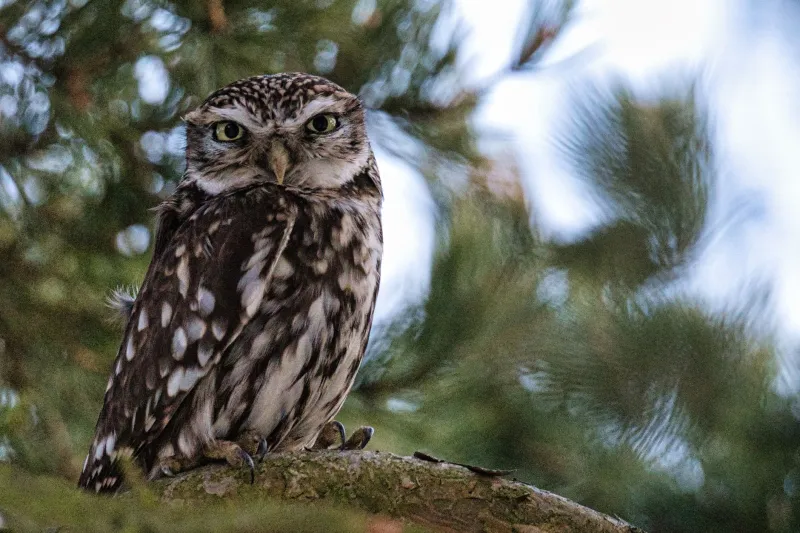
Every owl species produces pellets slightly differently. Barn owls, which are among the most studied pellet-producers in North America, create dense, dark pellets packed with intact rodent skulls. Great horned owls tend to digest bones more thoroughly, leaving fewer skeletal clues. Barred owls, those loud-mouthed suburbanites of the raptor world, produce pellets loaded with evidence of crayfish, frogs, and small mammals depending on the season.
The pellet, in other words, is a time capsule — a compressed record of what an owl ate recently, which tells you a whole lot about what's actually out there in the dark.
Why Scientists (and You) Should Care
Here's where it gets genuinely exciting. Researchers have been using owl pellets as ecological monitoring tools for decades, but the practice has exploded among citizen scientists in recent years — particularly as environmental monitoring budgets shrink and the need for ground-level data grows.
By dissecting pellets and identifying the bones inside, amateur naturalists can build surprisingly accurate pictures of local small mammal populations. Vole numbers spiking? You'll see it in the pellets before you'll see it in any official survey. Shrews disappearing from an area? The owls know. And now, so do you.
But it goes deeper than just counting skulls. Researchers at several universities have begun using pellet analysis to screen for environmental contaminants. Rodenticides — those second-generation anticoagulant poisons used in rat bait stations — accumulate in the bodies of mice and rats, which then get eaten by owls, which then deposit trace chemical signatures in their pellets. Dissecting and testing pellets found near agricultural areas, suburban neighborhoods, or urban green spaces has become a low-cost way to flag areas where secondary poisoning of raptors is a real and ongoing risk.
In short: owl pellets are doing double duty as both wildlife census forms and environmental toxicology reports. All for free. Dropped at the base of a tree.
Reading the Bones: A Beginner's Field Guide
Ready to try this yourself? Good. Here's how to get started without turning your kitchen table into a biohazard zone.
Step 1: Find Your Pellets Look for them beneath large trees with horizontal branches — cottonwoods, oaks, and old orchard trees are classic roost sites. Barn owls favor old structures: silos, abandoned buildings, church steeples. Fresh pellets are dark gray or black and slightly moist. Older ones fade to gray-brown and get brittle. Collect them in a paper bag (not plastic — you want airflow).
Step 2: Prep and Sanitize Before dissecting, microwave pellets for 30 seconds or bake them at 325°F for 40 minutes. This kills any potential pathogens without destroying the bone structure inside. Let them cool completely before handling.
Step 3: Dissect Carefully Using two toothpicks or blunt probes, tease the pellet apart over a sheet of white paper. Work slowly — small bones are easy to crush. Separate the bones from the fur and set them aside.
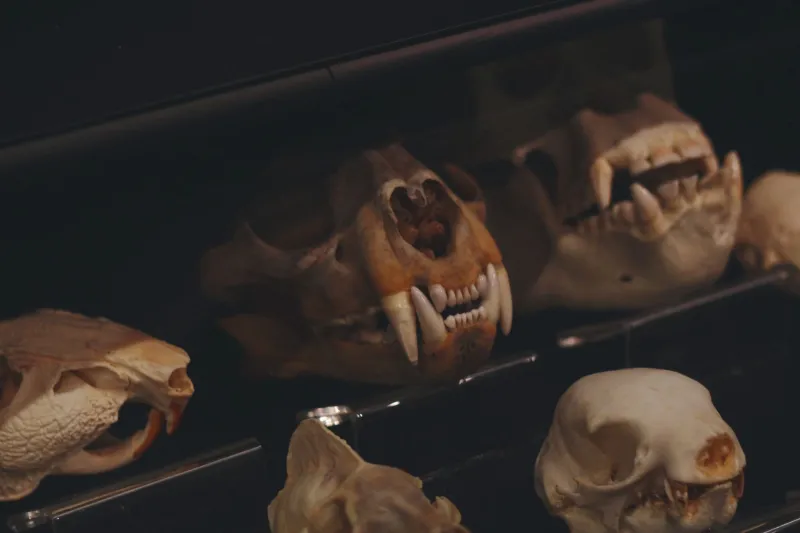
Step 4: Identify What You've Found The skull is your most important clue. Voles have blunt snouts and rootless molars. Shrews have tiny, sharp teeth and delicate skulls. Moles are unmistakable with their wide, flat skulls. Free bone identification guides are available through Project Owl (projectowl.com) and the Pellet ID resources hosted by Owl Research Institute. Some pellet dissection kits also include laminated ID charts, which are genuinely useful.
Step 5: Log and Share Your Data This is the part that transforms a backyard hobby into genuine science. Apps like iNaturalist allow you to log your findings with location data, contributing to regional and national databases that researchers actually use. If you find unusual prey items — crayfish remains, songbird feathers, reptile bones — document those carefully. They're ecological outliers worth flagging.
What Your Pellets Might Be Telling You
Different prey assemblages in pellets can signal very different things about your local environment. A pellet packed with meadow voles suggests healthy grassland nearby. Lots of house mouse remains near a residential area might indicate active rodenticide use in the neighborhood — worth noting, and worth mentioning to neighbors who use rat bait stations. A sudden absence of shrews in pellets collected over several seasons can indicate soil health problems, since shrews rely on healthy invertebrate populations underground.
If you're finding pellets near a wetland or creek — the kind of habitat that fish owls and their kin tend to haunt — look for amphibian bones, small fish vertebrae, or crayfish exoskeletons. These are signs of a productive, functioning aquatic ecosystem. They're also signs that whatever owl is roosting nearby is absolutely living its best life.
The Bigger Picture
There's something quietly profound about this whole enterprise. In an era when environmental monitoring often feels distant — satellites, federal agencies, acronyms — pellet dissection puts the data literally in your hands. You become, however briefly, a participant in understanding your local wild world rather than just a bystander to it.
Owls don't file reports. They don't attend zoning meetings or submit environmental impact assessments. But they do eat everything in their territory, digest what they can, and leave behind a meticulous, unsolicited record of the ecosystem's health. All you have to do is pick it up, take it home, and pay attention.
Nature's been leaving you mystery boxes for years. It's about time you opened one.